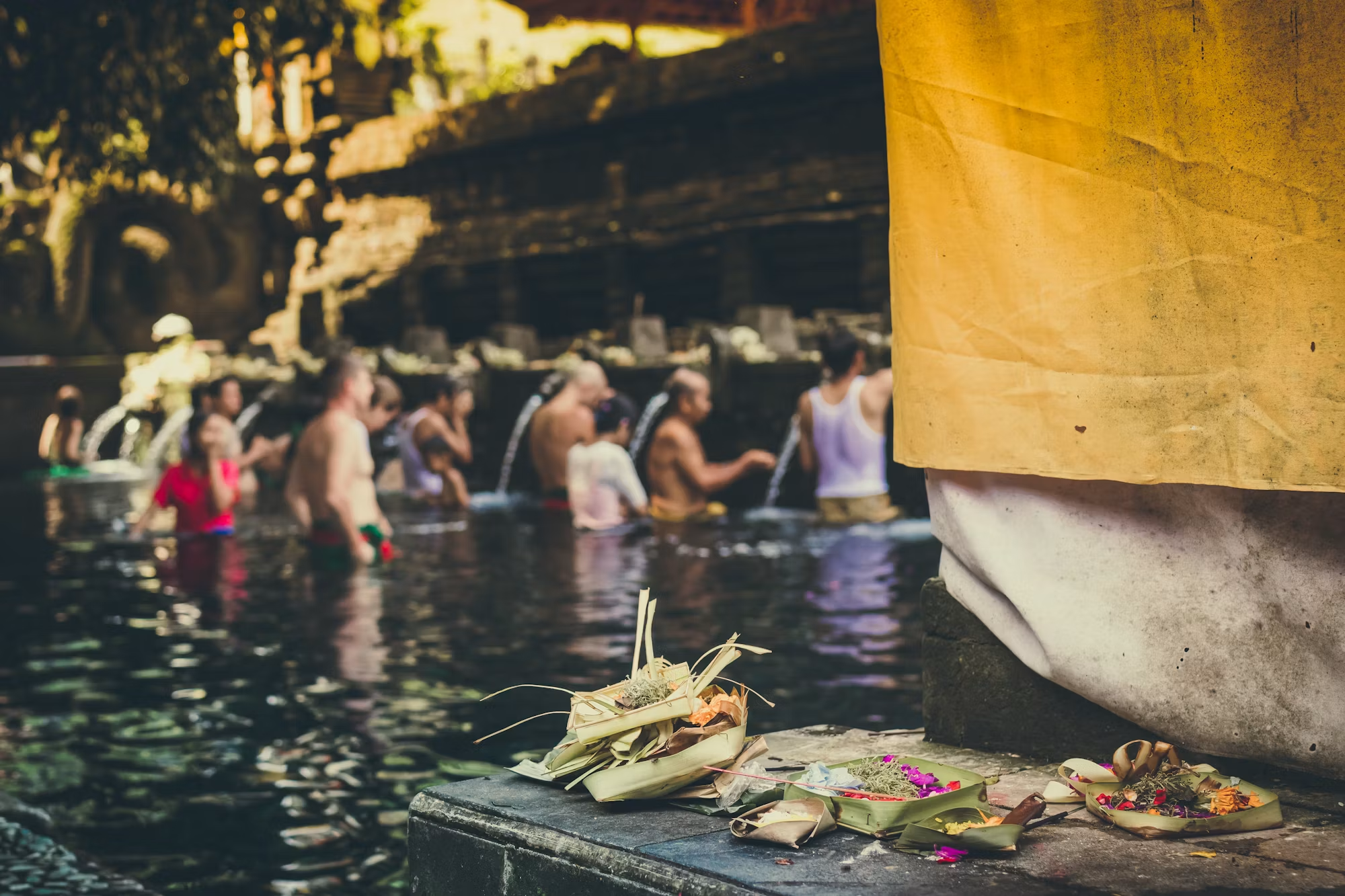
Floral design is more than just arranging flowers; it’s an art form that combines creativity, nature, and culture. Throughout history, flowers have been used to convey emotions, celebrate milestones, and beautify spaces. The art of floral design has evolved significantly over time, giving rise to a variety of styles and techniques that are used in both professional and personal settings. Whether for a wedding, a festive celebration, or simply to enhance the ambiance of a room, flowers play an integral role in transforming ordinary spaces into something extraordinary.
1. The History and Cultural Significance of Floral Design
Floral design can be traced back thousands of years to ancient civilizations. The Egyptians, Greeks, and Romans were among the first to incorporate flowers into decorative and symbolic purposes. In ancient Egypt, flowers like lotuses and papyrus were used to adorn tombs and temples, while the Greeks and Romans created intricate floral garlands for celebrations and religious ceremonies.
Throughout the Middle Ages, the symbolic significance of flowers took center stage. Flowers were often used in religious iconography, where each bloom represented a specific meaning. For example, the rose symbolized the Virgin Mary, while the lily was associated with purity and innocence. This deep cultural connection between flowers and symbolism laid the foundation for the development of floral design as we know it today.
The art of floral design truly flourished during the Renaissance period, when wealthy families and royals commissioned elaborate floral arrangements to display in their homes and gardens. Flower arranging was seen as a symbol of status and taste, and it became a popular form of artistic expression among the elite. Over time, floral design moved beyond the confines of palaces and gardens, becoming a cherished craft practiced by florists and enthusiasts alike.
2. Different Styles of Floral Design
Floral design is not a one-size-fits-all approach. Over the centuries, several distinct styles have emerged, each with its own unique approach to composition, balance, and aesthetic. Let’s explore some of the most popular styles in floral design:
– Traditional Floral Design: This style is rooted in classic principles of balance, proportion, and harmony. It typically features symmetrical arrangements with a central focal point. Traditional designs often incorporate a mix of flowers, greenery, and filler elements to create a full and lush appearance. Common examples include round bouquets and centerpieces for formal events, such as weddings and banquets.
– Modern Floral Design: A departure from traditional styles, modern floral design embraces bold, creative compositions. These arrangements often feature asymmetry, clean lines, and a minimalist approach. Modern designs favor the use of striking flowers, unique vases, and contemporary materials. The emphasis is on creating artistic, one-of-a-kind pieces that make a statement.
– Ikebana: The Japanese art of flower arranging, Ikebana, has been practiced for centuries. It is more than just an arrangement of flowers—it is a philosophy that focuses on simplicity, balance, and the spiritual connection between nature and humanity. Ikebana arrangements often feature a limited number of flowers and branches, arranged in a way that emphasizes line, space, and the natural beauty of each element.
– Wildflower and Rustic Designs: Wildflower arrangements evoke the natural beauty of meadows and open fields. This style celebrates the untamed and unstructured beauty of flowers, often incorporating a mix of wild and garden-grown blooms. Rustic floral designs tend to feature earthy, natural elements such as burlap, twine, and wooden containers. These arrangements are often seen at outdoor weddings, country-themed events, and casual gatherings.
– European and French Floral Styles: European floral design, particularly French floral design, is known for its romantic, soft, and graceful aesthetic. It emphasizes the use of delicate flowers, flowing lines, and harmonious color palettes. This style often includes cascading arrangements, elegant bouquets, and charming table centerpieces that exude refinement and sophistication.
3. Techniques in Floral Design
Floral design is as much about technique as it is about creativity. To achieve a perfectly balanced and visually striking arrangement, designers must master several key techniques. These techniques involve both technical skill and artistic intuition, allowing the designer to bring their vision to life.
– Principles of Composition: One of the fundamental techniques in floral design is the concept of composition. The designer must consider balance, proportion, scale, and harmony when arranging flowers. A well-composed design should have a clear focal point, with flowers arranged to lead the eye in a natural, flowing pattern. Symmetry, asymmetry, and radial balance are common techniques used to create visually pleasing compositions.
– Flower Conditioning: To ensure flowers last as long as possible, they need to be conditioned before being arranged. This involves trimming stems, removing excess foliage, and hydrating the flowers to prepare them for the arrangement. Different flowers require different conditioning methods, such as placing woody stems in warm water and soft-stemmed flowers in cool water.
– Flower Placement: The placement of flowers within an arrangement is another key technique. Designers often use the rule of thirds, where the arrangement is divided into sections, creating a balanced and visually appealing composition. Placement also involves thinking about the size and shape of the flowers—larger blooms are usually placed at the focal point, while smaller flowers are arranged around them to add texture and depth.
– Use of Containers: The choice of container plays an essential role in the overall aesthetic of the arrangement. Vases, baskets, urns, and other containers can influence the style and feel of the floral design. For example, a sleek glass vase works well with modern designs, while a vintage teapot may be perfect for a rustic or country-inspired arrangement. The container should complement the flowers, enhancing their beauty without overpowering them.
4. Seasonal Floral Design
One of the joys of floral design is working with flowers that are in season. Seasonal flowers are fresher, more abundant, and often more affordable than out-of-season blooms. Working with flowers that are in their natural season also allows for a greater sense of connection to the environment, as these flowers are often more vibrant and reflective of the time of year.
– Spring Flowers: Spring is a season of renewal and growth, and floral designs often reflect this with bright, pastel colors and light, airy compositions. Flowers like tulips, daffodils, peonies, and hyacinths are popular in spring arrangements. These flowers are known for their fresh appearance and delicate scent.
– Summer Flowers: Summer brings a burst of color and vitality to floral arrangements. Bright sunflowers, zinnias, dahlias, and lavender are commonly used in summer designs. These flowers are hardy and vibrant, making them ideal for outdoor events and lively summer celebrations.
– Autumn Flowers: Fall arrangements often feature rich, warm colors that mirror the changing leaves. Flowers like chrysanthemums, dahlias, marigolds, and asters are perfect for autumn designs. These flowers complement the earthy tones of the season and create cozy, inviting arrangements.
– Winter Flowers: Winter floral designs tend to focus on textures and greenery, with flowers like poinsettias, amaryllis, and holly berries adding color and cheer to the colder months. Evergreens, twigs, and branches are often used to create arrangements that evoke the winter season’s quiet beauty.
5. The Future of Floral Design
Floral design continues to evolve, with new trends and techniques emerging every year. One significant shift in the floral design world is the growing emphasis on sustainability. As people become more aware of environmental issues, many florists and designers are turning to locally grown flowers, eco-friendly materials, and sustainable practices in their work. This trend is shaping the future of floral design, making it more connected to the natural world and environmentally responsible.
Additionally, technology is beginning to influence floral design. Virtual reality (VR) and augmented reality (AR) are being explored as tools for designing and visualizing arrangements before they are physically created. These technologies could open new possibilities for flower arranging, allowing designers to experiment with virtual flowers and materials before committing to their final designs.
Conclusion: The Lasting Beauty of Floral Design
Floral design is a unique and evolving art form that blends creativity, nature, and craftsmanship. Whether it’s a traditional arrangement for a formal event or a modern design for a contemporary space, flowers have the power to transform and elevate any setting. The techniques, styles, and materials used in floral design are constantly evolving, reflecting changes in culture, technology, and environmental awareness. By exploring the rich history and diverse techniques of floral design, we can better appreciate the beauty and artistry that flowers bring to our lives.
From the delicate art of Ikebana to the bold statements of modern design, floral arrangements continue to inspire and captivate us. As we look to the future, the role of flowers in our lives will undoubtedly continue to grow, adding beauty, meaning, and joy to our world.